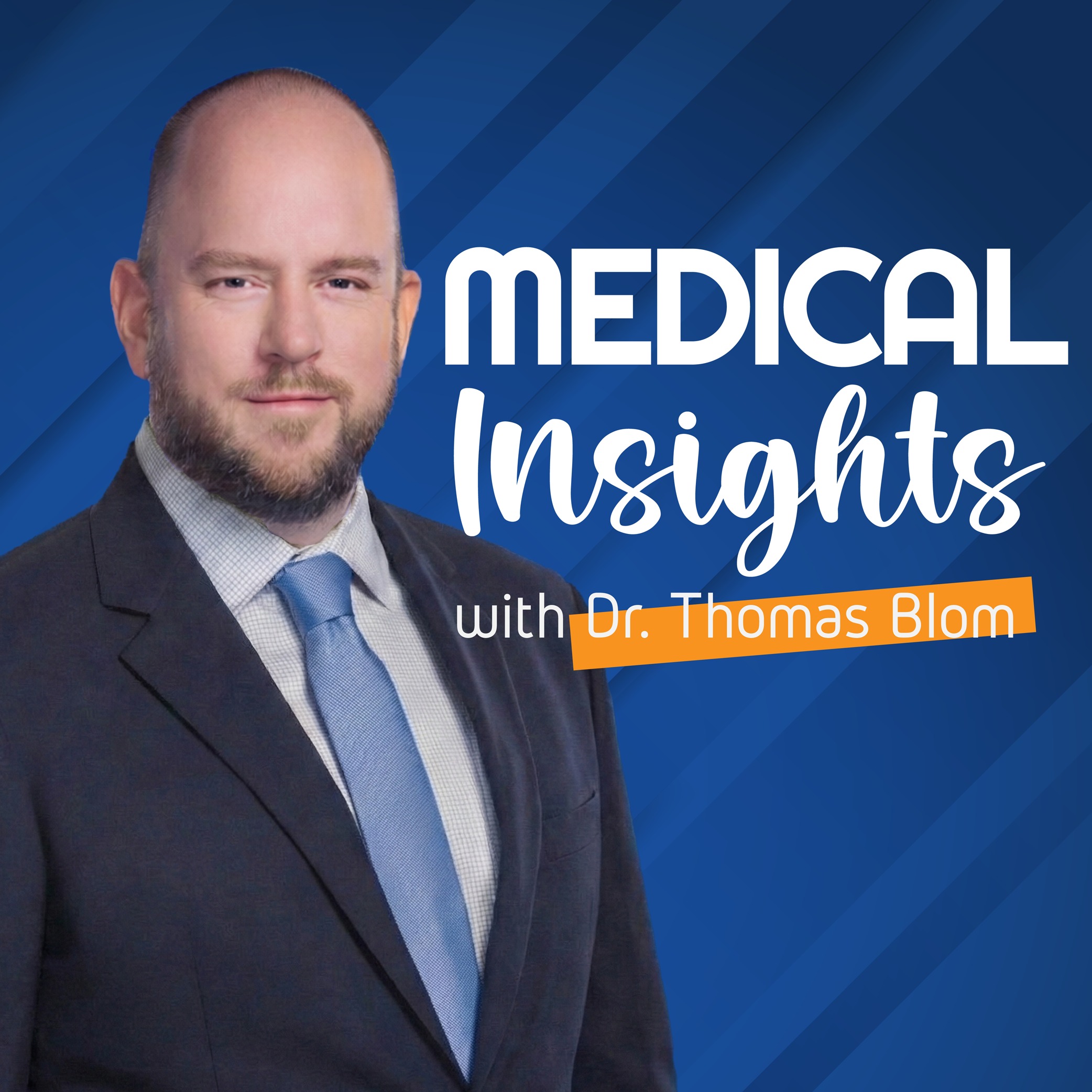
Multiple Myeloma & MGUS: From Diagnosis to Cutting-Edge Care with Dr. Sheetal Shrimanker
In this episode of Medical Insights, Dr. Thomas Blom sits down with Dr. Sheetal Shrimanker, a hematologist-oncologist at Penn Medicine, to demystify the complex world of plasma cell disorders.
Receiving a lab result showing an "abnormal protein" can be a frightening experience. Dr. Shrimanker explains exactly what a monoclonal protein is, how physicians risk-stratify patients, and the crucial differences between a benign condition like MGUS and active Multiple Myeloma.
In This Episode:
* The First Red Flag: What is a monoclonal protein and why is it often found by accident?
* MGUS vs. Smoldering Myeloma: Understanding the 1% annual risk of progression and when a bone marrow biopsy is necessary.
* The CRAB Criteria: How specialists look for end-organ damage (Calcium, Renal, Anemia, Bone).
* Modern Staging: Why traditional cancer stages don't apply to blood cancers and how cytogenetics (DNA testing) dictates the plan.
* Treatment Pathways: A look at induction therapy, stem cell transplants, and the role of medications like Daratumumab.
* The Future of Care: An introduction to Bi-specific Antibodies and CAR T-cell therapy.
About Our Guest:
Dr. Sheetal Shrimanker is a board-certified hematologist-oncologist practicing with Penn Medicine in Princeton, New Jersey. She specializes in treating blood-based malignancies and guiding patients through complex immunotherapy and transplant journeys.
0:00 Introduction to Monoclonal Proteins
2:24 Workup for Monoclonal Proteins (MGUS)
4:43 Criteria for Bone Marrow Biopsy & Imaging
6:23 Causes of MGUS (Viruses & Autoimmune)
7:42 Prognosis and Risk Counseling
9:39 Distinguishing MGUS, Smoldering Myeloma, and Multiple Myeloma
11:42 Staging and Cytogenetics
14:48 Treatment Pathways & Induction Therapy
18:34 Stem Cell Transplants
19:56 Managing Risks (Infection, Blood Clots)
22:36 Future Care: CAR T-Cell Therapy
24:28 Bi-specific Antibodies
26:53 Treating Smoldering Myeloma
28:34 Genetic Predisposition
29:52 Monoclonal Gammopathy of Renal/Neurological Significance
31:52 Related Disorders (Waldenström’s & Amyloidosis)
34:19 Long-term Management, Maintenance, and IVIG
#cancerresearch